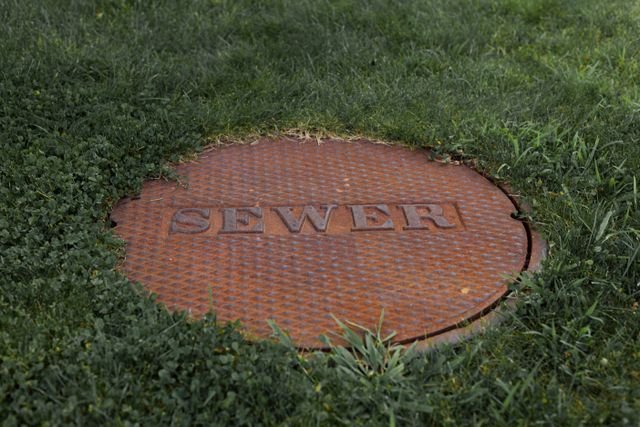
8 Signs Your Main Sewer Line Is Clogged (Before Anything Backs Up)
The signs of a clogged sewer line show up in more than one drain at once. The earliest signs are gurgling sounds and slow drains across the house; the latest is sewage backing up at the lowest drain. If several fixtures are affected together, the problem is in the main line, not in one sink or toilet — and it will not clear itself.
Your home has one main sewer line. Every drain in the house — kitchen sink, bathroom sink, shower, tub, toilet, laundry — feeds into it, and it carries everything out to the city sewer. A clog in a single fixture is a local problem. A clog in the main line is a whole-house problem, and it gives warnings before it becomes a backup. The trick is recognising the early ones. If several of these signs sound familiar, our Main Sewer Line Cleaning page explains how the line is cleared.
The 8 signs, earliest to latest
1. Gurgling sounds when water drains. Air gets trapped behind a partial blockage in the main line, and it escapes through the nearest drain as a gurgle or bubbling sound. You hear it most often from a toilet or a tub after another fixture drains — run the washing machine and the toilet gurgles, or flush and the shower drain bubbles. Gurgling is usually the first sign, and the easiest to ignore. Do not ignore it.
2. One drain is slow, then another one joins it. A single slow drain is a local clog. When a second drain starts slowing down for no clear reason — the bathroom sink, then the shower, then the kitchen sink — the restriction is downstream of all of them, which means the main line. The order matters: fixtures that slow down together share the same line.
3. The toilet water level changes on its own. The bowl water sits higher than usual after a flush, drops lower than usual, or rises and falls without anyone using it. The toilet is the fixture most directly connected to the main line, so it shows main-line trouble first. If the water rises close to the rim, stop flushing — the next flush may be the one that overflows.
4. Water backs up into a different fixture. Run the washing machine and water appears in the shower. Flush the toilet and water rises in the tub. Drain the kitchen sink and the toilet bubbles. Water takes the easiest path out, and when the main line is blocked, that path is back up through the lowest open drain. This is the clearest proof the problem is in the main line and not in one fixture.
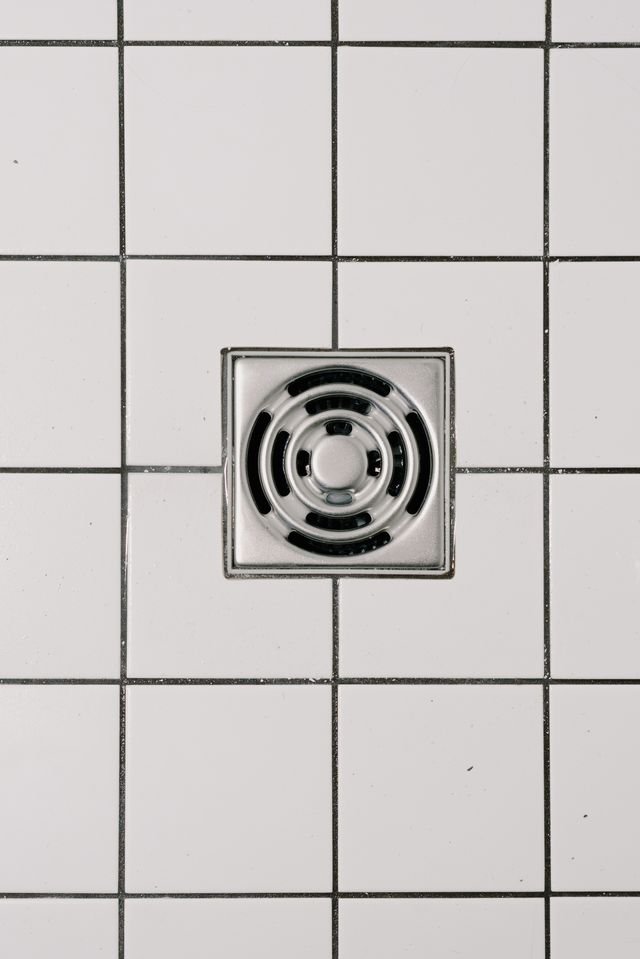
5. Drains are slow all over the house at the same time. Not one slow drain — all of them, together. The kitchen sink drains slowly, the shower stands in water, the toilet flushes weakly. When every fixture is affected at once, the blockage is in the one pipe they all share.
6. A bad smell comes from more than one drain. One smelly drain is usually a dry trap or buildup in that fixture. A sewer smell from several drains at once, especially the lowest ones, means wastewater is sitting in the main line instead of flowing away. If the smell is strong and in every room, treat it as urgent — sewer gas is not just unpleasant.
7. Water or sewage appears at the sewer cleanout. The cleanout is the capped pipe outside the house that gives access to the main sewer line. If water is standing in it, or sewage is coming out of it, the main line is blocked between the house and the street. Do not open a cleanout that has sewage under pressure behind it — it will come out fast.
8. Sewage backs up at the lowest drain in the house. This is the last sign and the one nobody wants: sewage coming up through a floor drain, a shower, or a tub — the lowest opening in the house. By this point the main line is fully blocked. Stop using all water, keep people and pets away from the sewage, and call.
The 2-minute test: run one fixture, watch another
If you are not sure whether the problem is one drain or the main line, run this test. Turn on a tap or run the washing machine, then watch the toilet and the lowest drain in the house (usually a shower, tub, or floor drain). If the toilet water moves, gurgles, or rises while the other fixture runs — or water appears in the tub or shower — the fixtures are connected to the same blockage, and that blockage is in the main line. One fixture acting alone is a local clog. Two fixtures reacting to each other is a main-line problem.
What to do if sewage is already coming up
Stop using all water in the house — no flushing, no taps, no washing machine, no dishwasher. Every litre you send down goes toward the blockage and comes back up through the lowest drain. Keep people and pets out of any room with sewage in it, and do not try to mop it toward a drain. Take a photo of where the sewage is and how far it has spread, in case it matters later. Then call and describe what is happening — which drains are affected, and whether sewage is already coming up. That is the information that decides how fast the visit needs to be. If sewage is already coming up, this is an emergency — see Emergency Drain Cleaning.
In Enid
Enid’s older homes, especially near downtown and the Broadway Tower area, often still have older sewer lines — clay tile and cast iron — with joints that tree roots find over time. Mature trees and mineral scale narrowing old pipes are the two causes that come up again and again here: roots get in through a joint and grow into a mass, and scale builds up on the inside of an old pipe until the opening is too small. Neither happens overnight, which is why the early signs — the gurgling, the second slow drain — matter so much. Catching a main-line clog at sign one or two is a cleaning visit. Catching it at sign eight is a backup.
Frequently asked questions
How do I tell a clogged drain from a clogged sewer line?
One slow drain is a local clog. Several drains slow, gurgling, or backing up together is a sewer line clog. The test is simple: if running one fixture makes another one react, the problem is in the line they share.
Can a main sewer line clog clear itself?
No. A partial blockage in a main line only gets worse — grease, paper, and debris keep catching on it, and roots keep growing. A drain that “fixed itself” for a week has usually just found a slower path, not a clear one.
Is a sewer backup an emergency?
Yes, once sewage is coming up through a drain. Stop using water, keep people and pets away, and call. Before that point — gurgling, slow drains, smells — it is urgent but not yet an emergency, and it is the cheapest time to fix it.
What causes a main sewer line to clog?
The common causes are tree roots getting into the line, grease and “flushable” wipes building up, heavy rain overloading the line, and scale narrowing an old pipe. In Enid, roots in older lines and scale in old pipes are the two that show up most.
What are the early signs of a clogged sewer line?
Gurgling sounds when water drains, and a second drain slowing down for no clear reason. Those two together are the earliest signs of a clogged sewer line — and the cheapest time to fix it.
Not sure which drain is the problem? See all drain cleaning services in Enid, OK.
Call and describe what your drains are doing — (580) 609-1338. Tell us which drains are affected and what you are seeing. If several fixtures are involved, say so first — that is the detail that points to the main line. Hours: 09:00–17:00 daily.